Energy Software Engineering
From connected equipment and live data to forecasting, dispatch and energy-market integration.
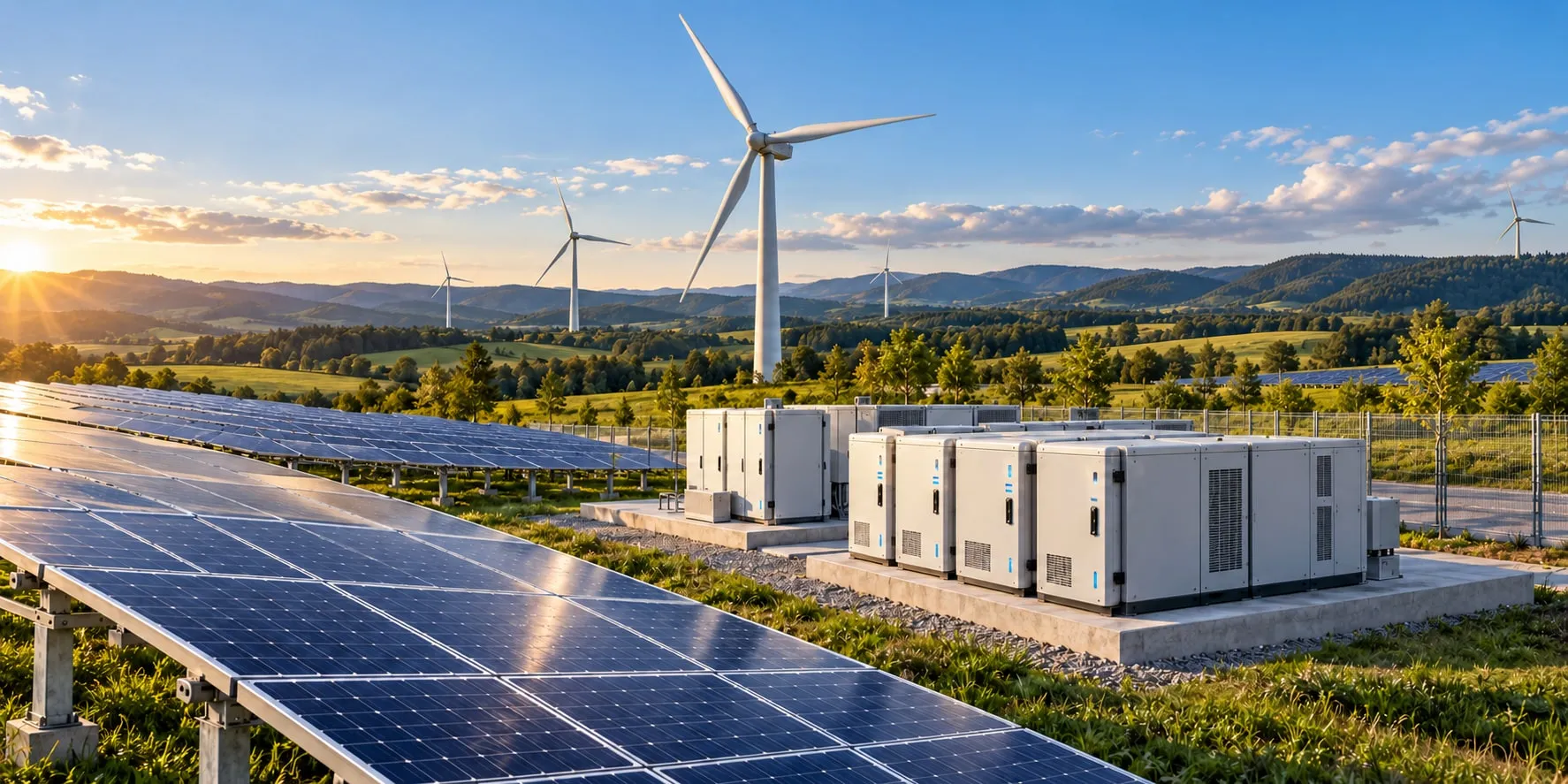
Through the Inowattio energy platform, our work combines software engineering with hands-on experience operating solar plants and trading energy. We develop and integrate systems for monitoring, remote control, forecasting, aggregation and market workflows, together with the web and mobile applications used by operators and customers.
We built Inowattio. That experience informs how we approach your equipment, existing software and operational requirements, whether you are developing an energy product, managing a portfolio or connecting an existing system to new services.
As renewable generation and battery storage grow, energy systems need to coordinate more equipment, variable production and changing demand. Measurements must reach the right systems, forecasts must inform schedules, and control instructions must reflect what each resource can deliver.
This is where energy software matters: connecting measurements, operational decisions and execution across equipment, sites and markets.
Connected equipment and remote control
We connect energy equipment to the software that monitors and controls it. This includes reading device measurements, mapping different manufacturer interfaces into a common model, and translating operational instructions into device commands.
Our work includes Modbus device communication, MQTT messaging and IEC 60870-5-104 telecontrol interfaces. We assess the equipment model, available measurements, permitted commands and installation constraints before defining an integration.
Inowattio in practice. Inowattio combines inverter drivers and local device controllers with scheduled commands and remote dispatch. This gives us practical experience across field equipment, communications and the applications used to operate them.
Energy data and monitoring
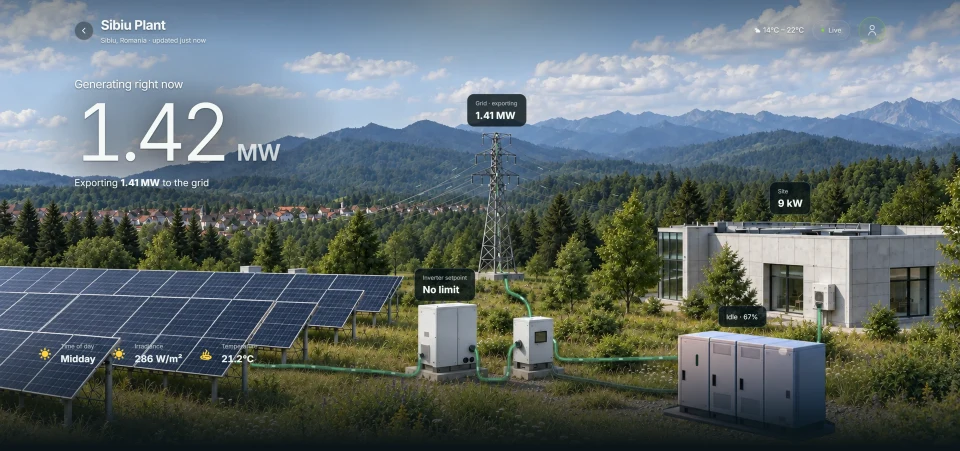
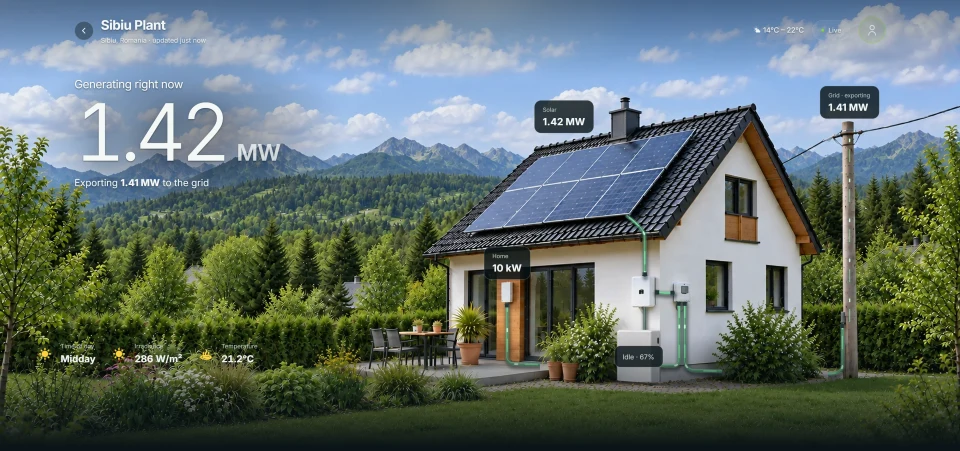
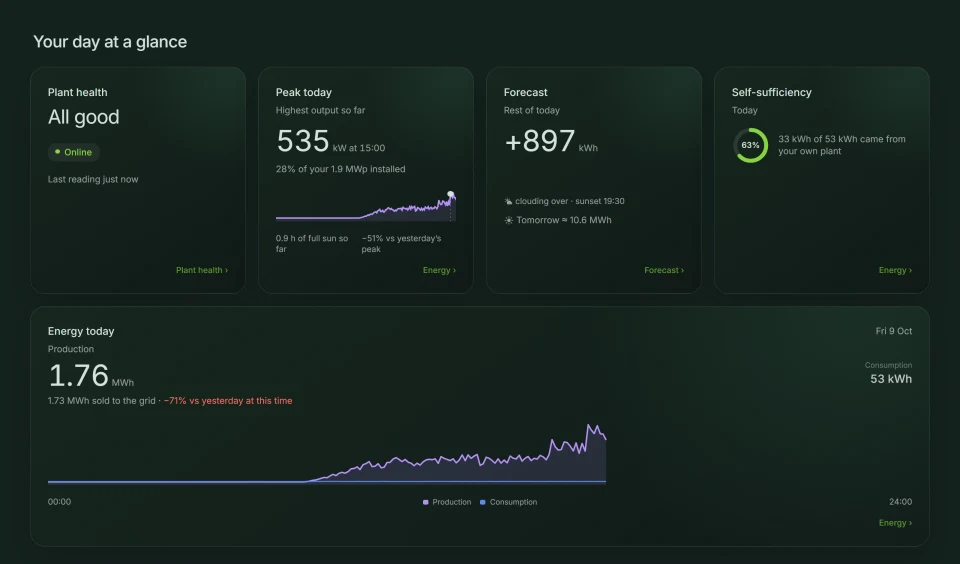
We build data pipelines and interfaces for live and historical energy information: production, consumption, grid import and export, battery power and state of charge. Operators can follow individual equipment, a site or a portfolio through consistent views.
The engineering includes timestamp alignment, units, aggregation intervals and data quality, as well as storage, APIs and charts. Kafka and Kafka Streams support the event processing and aggregation work in Inowattio.
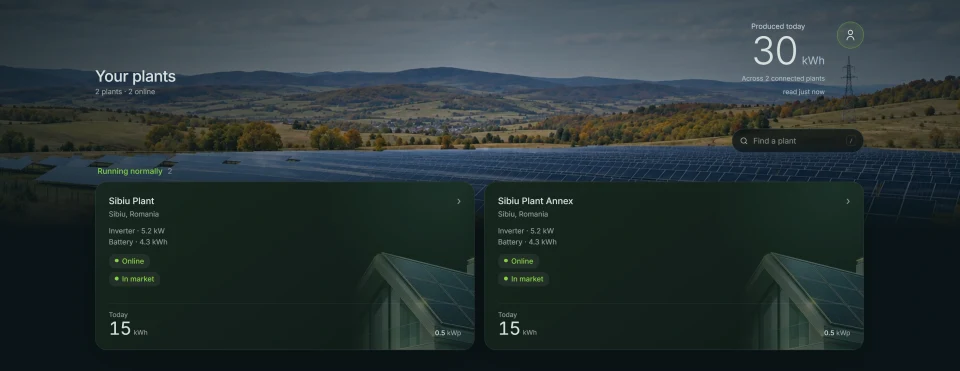
Inowattio in practice. Inowattio brings measurements from different devices into shared energy-flow and technical views. Its web and mobile applications expose current readings, historical trends and forecasts for their respective users.
Forecasting and operational planning
We develop production and consumption forecasts using historical measurements, equipment characteristics and weather data. Forecasts become useful when they are compared with actual readings and connected to the schedules and decisions an operator needs to make.
Depending on the project, this can support battery charging plans, self-consumption, allocation of available energy and management of deviations from a schedule. We define the data requirements, operating constraints and evaluation criteria for each use case.
Inowattio in practice. Inowattio includes model-training and forecast pipelines for energy data, alongside price-forecasting development. Its interfaces let users inspect forecasts and actual measurements; its coordination services use resource availability and commitments when building allocation plans.
Aggregation and dispatch
Coordinating distributed resources requires a view of their available capacity, operating limits and existing commitments. We develop the software that groups resources, allocates work and translates portfolio-level instructions into actions for individual units.
This is the engineering behind aggregation and virtual power plant (VPP) workflows. It includes dispatch schedules, setpoints, manual intervention and feedback from measured output. Market participation also depends on the qualification of resources and the operator’s permissions.
Inowattio in practice. Inowattio’s coordination and dispatch services connect energy pools, resource assignments and control instructions. They track commitments and use telemetry to follow execution across the participating units.
Inowattio S.R.L. holds ANRE aggregation licence no. 2699, issued on 18 November 2025. The licence belongs to that legal entity; the permissions and qualifications required for a specific market activity are assessed separately. Inowattio’s published licence information.
Energy-market integration
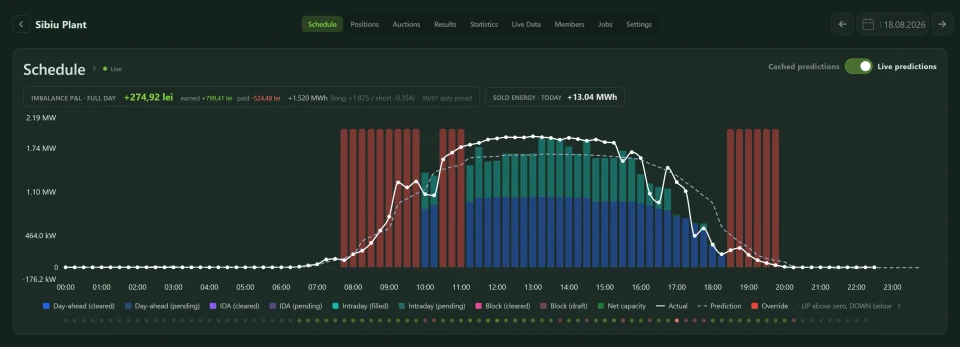
We connect operational software with market data, orders, auction results and generation schedules. The work includes translating data models and units, tracking order states, handling connection recovery and reconciling market commitments with the resources assigned to deliver them.
Our Inowattio implementation includes BRM/Nord Pool interfaces for day-ahead and intraday auctions and continuous intraday trading, together with DAMAS schedule interfaces. We assess the technical interfaces and operating arrangements for each new market integration.
Inowattio in practice. Inowattio connects trading-console workflows, market adapters and resource coordination. Orders and results can be followed through to the allocations and schedules they affect.
Operator, customer and community applications
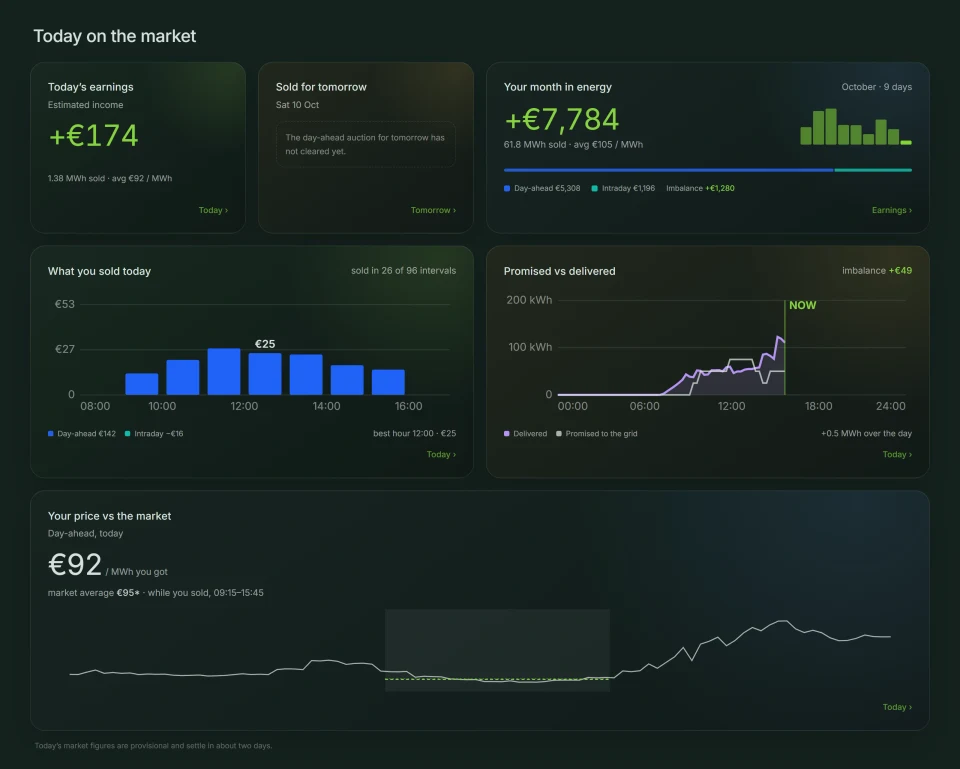
Energy platforms need interfaces that reflect the responsibilities of the people using them. We develop operations consoles, customer dashboards and mobile applications, with asset onboarding, permissions, notifications and access to the relevant energy data.
Our community work covers membership and energy-sharing rules. We are also developing community administration and document workflows; the availability of these workflows and any settlement integration is assessed separately for each project.
Inowattio in practice. Inowattio has distinct operator and customer applications, including mobile views for readings and forecasts. Its community work builds on the same asset, account and energy-data services.
Integration, delivery and ongoing support
We can develop a custom solution, extend your existing platform or assess whether adapting Inowattio fits your requirements. For suitable partner projects, Inowattio also offers a white-label energy management system (EMS). The first step is to establish the scope, integrations and operational responsibilities.
- Assess the system. Review equipment, data access, existing applications, market interfaces and the decisions or workflows you want to improve.
- Define and validate a focused scope. Agree on the interfaces, expected behavior and acceptance criteria, then test the integration or pilot with representative data and equipment.
- Roll out and support. Plan deployment, operator access, monitoring and handover. Expand the scope as integrations and operating behavior are validated.
Delivery includes the supporting cloud services, deployment automation and operational monitoring. We define access permissions, command tracking, connection-loss behavior and recovery procedures with your team, and agree who operates and supports each part of the system.
Frequently asked questions
Can you integrate with our existing equipment and software?
Yes. We start by reviewing the equipment models, protocols, available APIs and operational constraints. Our Inowattio work includes Modbus device communication, MQTT messaging, IEC 60870-5-104 telecontrol and application APIs. Compatibility and control scope are verified for each installation.
Can you develop a custom solution or extend our current platform?
We can build a custom energy application, develop an integration or extend an existing platform. Where suitable, we can also assess adapting Inowattio or using its white-label EMS offering. The choice depends on your workflows, existing systems and the scope you need to control.
What practical energy experience does Nerds have through Inowattio?
Nerds built Inowattio, and the team has hands-on experience operating solar plants and trading energy. The engineering spans device connectivity, energy data, forecasting, resource coordination, dispatch, market integrations and user applications. Inowattio S.R.L. holds ANRE aggregation licence no. 2699; this is the licence of that legal entity.
Can you connect our systems to energy-market workflows?
Yes. Our Inowattio implementation includes BRM/Nord Pool auction and continuous intraday interfaces and DAMAS schedule interfaces. We scope each project around the required data, orders, schedules and reconciliation. Technical integration and permission to carry out a market activity are separate requirements.
How do you scope and validate the first implementation?
We review your equipment, available data, existing systems and intended workflow, then agree on a focused integration or pilot and its acceptance criteria. Timing depends on access, interfaces and validation requirements. Rollout follows once the agreed behavior has been checked with representative data and equipment.