Tech Consultancy & Upskilling
Technical guidance and practical training for engineering teams
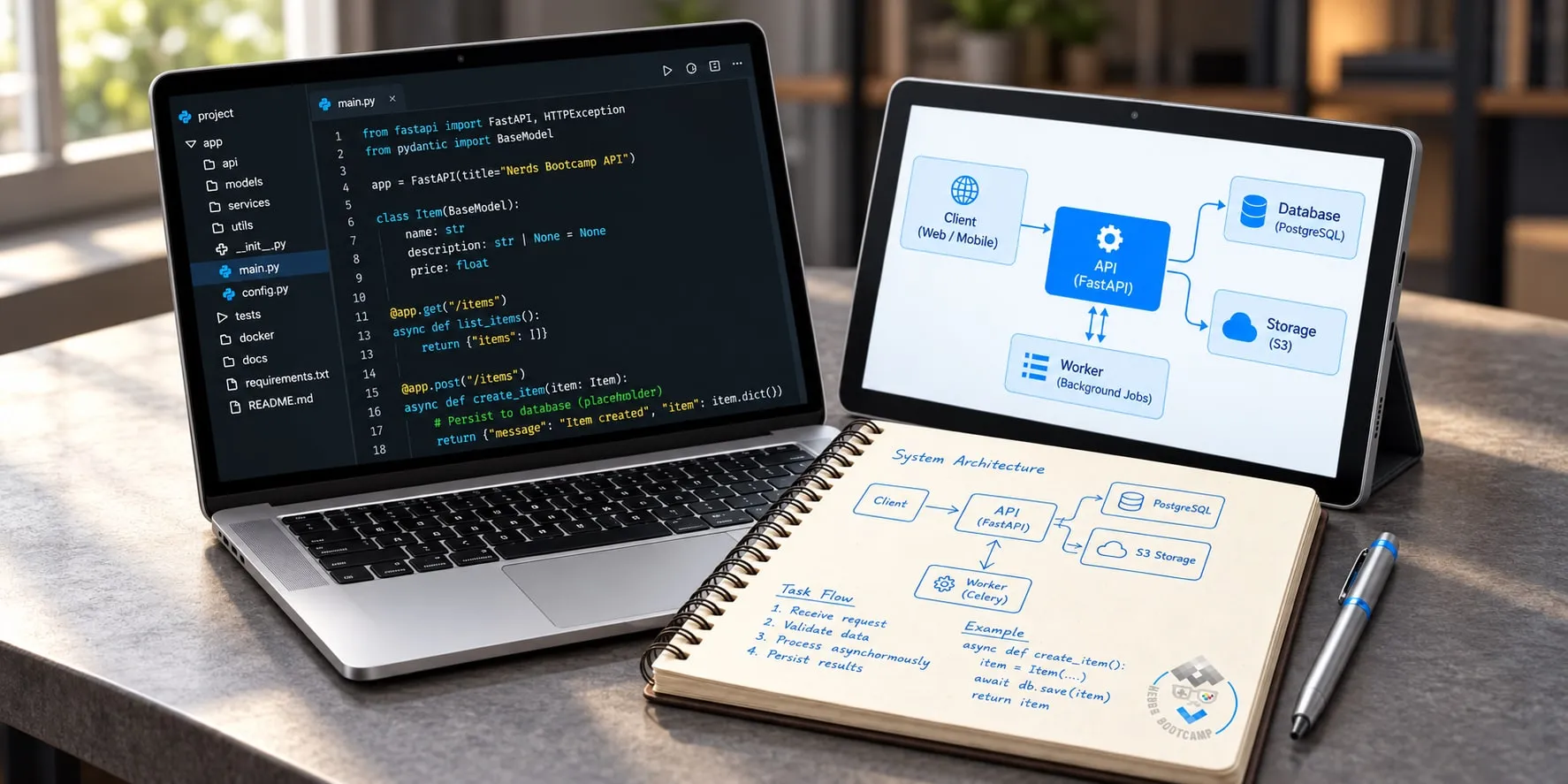
We help SMEs and growing tech companies make informed technical decisions and develop the skills to put them into practice. Our consultancy covers architecture, technology choices, and modernization. Our upskilling programs help your engineers apply those decisions through training and mentorship on real projects. Use either service independently or combine them around your team's needs.
Technical consultancy
When you are planning a new product, reviewing an existing platform, or preparing a migration, we help you assess the options before committing time and budget.
- Architecture and code reviews: assess system design, code quality, performance, security, and maintainability.
- Technology choices and feasibility: evaluate tools, frameworks, and technical approaches against your product's requirements.
- Modernization and cloud planning: identify dependencies, integration needs, and migration priorities.
- Technical due diligence: review an existing product or a vendor's codebase to understand its strengths, risks, and limitations.
We agree the scope and deliverables before starting. If your team needs help with implementation, we can also contribute to software development.
Tech upskilling and engineering mentorship
We work alongside your developers to build practical skills in the context of your codebase, architecture, and delivery process. Sessions focus on the areas your team needs to strengthen.
- Pair programming: work through features, refactoring, and technical problems with senior engineers.
- Code reviews and architecture discussions: explain the reasoning behind implementation choices and establish shared practices.
- Workshops and tailored bootcamps: explore a specific technology or engineering topic through guided exercises and project work.
What your team can learn
Topics include React, GraphQL and REST APIs, Terraform, CI/CD, and system design. We also cover testing, code quality, observability, and event-driven architecture, choosing the depth and focus to match your team's experience.
A format that fits your team
Choose focused workshops, a custom bootcamp, or ongoing mentorship alongside delivery. We agree on learning goals, time commitments, and cost before starting.
Follow-up sessions help your engineers apply what they have learned, review their work, and resolve questions that arise on the project.
Frequently asked questions
Can we choose consultancy without training?
Yes. Consultancy and upskilling are available separately. You can start with a technical review, choose training for a specific need, or combine both when your team wants support applying the recommendations.
What do we receive from a consultancy engagement?
You receive findings from the agreed technical review, an explanation of the options and trade-offs, and recommended next steps in priority order. We agree on the scope and deliverables before starting.
Can training use our existing codebase?
Yes. Pair programming, code reviews, and architecture discussions can use your existing project. Workshops can also include guided exercises. We agree on the working environment and access needed before starting.
Which technologies and topics do you cover?
Topics include React, GraphQL and REST APIs, Terraform, CI/CD, testing, code quality, observability, event-driven architecture, and system design. We select the topics and depth to match your team's experience and goals.
How long does an engagement take, and what does it cost?
Duration and cost depend on the scope, team size, and level of involvement. We agree on deliverables or learning goals, time commitments, and an estimate before starting. Formats range from focused reviews and workshops to ongoing guidance and mentorship.