Manufacturing Engineering Solutions
Connected equipment, production data and operator tools.
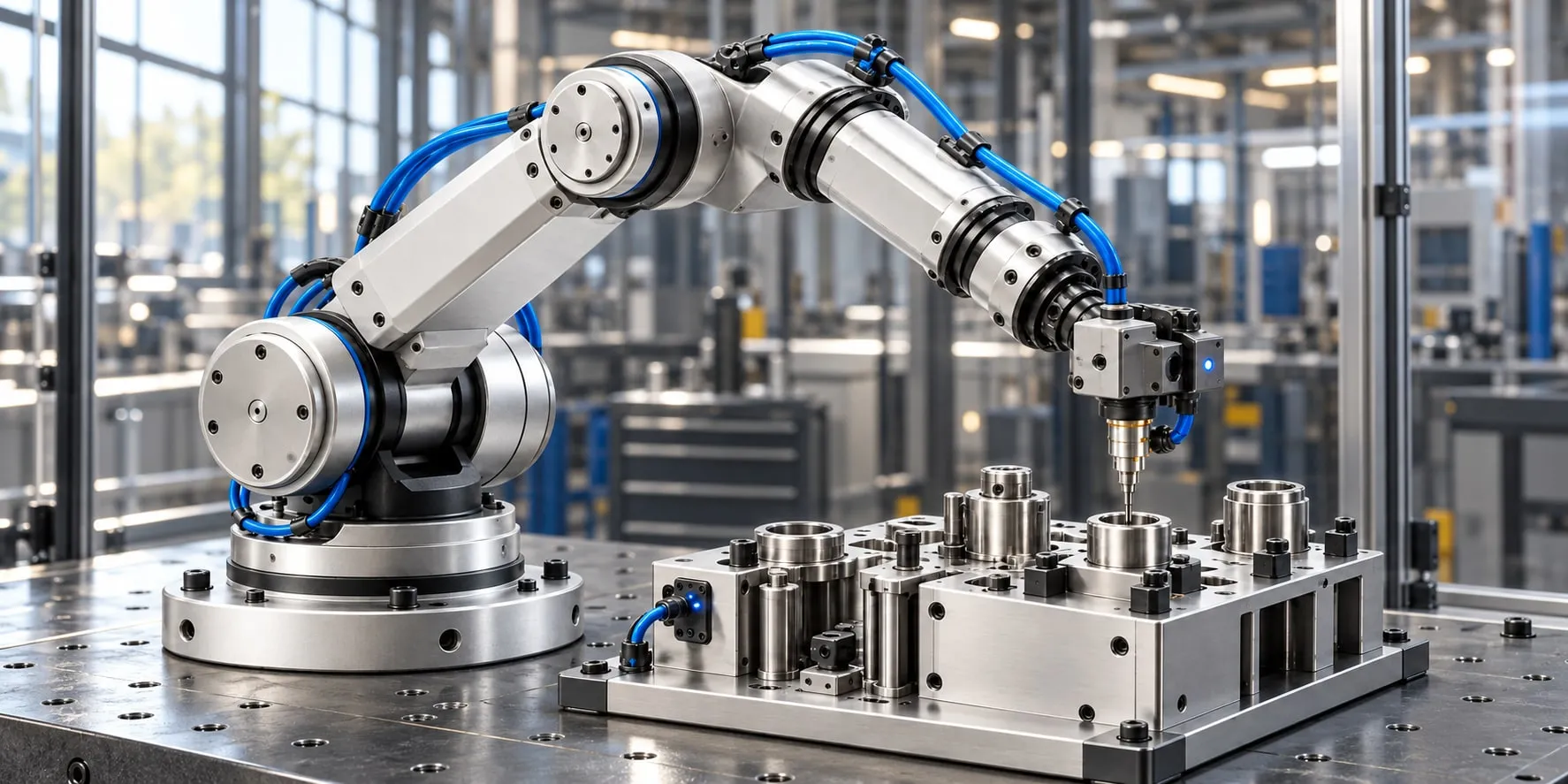
We develop software for equipment integration, production monitoring, operator workflows and quality testing. We work with regional manufacturers to connect existing machines and processes with the information their teams need.
Start with one production problem
A test result copied by hand, a label printed from a separate application or production records spread across files can be a useful starting point. We identify the information needed, where it comes from and what an operator or supervisor needs to do with it.
The first scope can be one station, one reporting workflow or one equipment connection. We agree what to measure and test the solution with the people using it before extending it.
Equipment and systems integration
We connect test devices, sensors and industrial equipment to applications and data storage. Interfaces may include serial communication, Modbus, MQTT or documented APIs. We check the equipment model, available documentation and data access before choosing the connection method.
For PLC or SCADA connections, we work with your automation team or equipment supplier to define the software interface. Data mappings, access permissions and communication failures are part of that work. Connections to ERP or other business systems depend on their available interfaces and the agreed scope.
Production monitoring and reporting
We build web views that bring equipment status, production records and test results together. Before creating a dashboard, we define the data sources, units, update intervals and how missing or delayed readings should appear.
Historical views and reports help teams investigate what happened over time. Line totals, stoppage reasons and trends can be added where the relevant events are available. Access roles, exports and connections to existing reporting tools are agreed for each project.
Operator tools and workflow automation
We build focused tools for repetitive work: triggering label-printing jobs, preparing documents for production displays, recording checks or managing equipment and asset records. Web and desktop interfaces can bring these steps into the operator’s workflow.
We check the sequence with your team, including exceptions and manual recovery. A pilot lets you compare the new workflow with the existing one using measures such as repeated data entry, completion time or recording errors.
Quality testing and traceability
We develop applications that communicate with testing devices, run defined checks and present the results to operators. Our cable-testing work includes direct device communication, test execution and pass/fail reporting for individual connections.
For each project, we agree which product or batch identifiers, test definitions and results need to be retained, and how records will be retrieved. Reporting follows your quality team’s requirements; test criteria and acceptance decisions remain explicit parts of the process.
From on-site assessment to a working pilot
- Review the workflow on site. Meet operators and technical teams, inspect available interfaces and agree the problem to address.
- Define a contained pilot. Select one station or workflow, set acceptance criteria and estimate the work after checking equipment access and dependencies.
- Build and validate. Test software and equipment together, check data against the source and plan installation around production schedules.
- Hand over and support. Document the setup, train the people using it and agree monitoring, maintenance and any further rollout.
Based in Sibiu, we focus on regional projects where we can be present for assessment and validation. Software development can continue remotely between site visits, with responsibilities and access arrangements agreed in advance.
Frequently asked questions
Can you connect to our existing equipment?
We first check the equipment models, documentation, interfaces and access conditions. Existing connections may be suitable, or an adapter or additional equipment may be needed. Installation and testing are scheduled with your production team, including any required downtime.
Does this include PLC programming?
This service focuses on software integration, applications and data. PLC programming and changes to machine controls are handled by your automation team or equipment supplier. We coordinate data exchange and application behavior with them.
Can we start with a single station or workflow?
Yes. A contained pilot can establish whether the connection works, the data is useful and the operator workflow fits. We agree acceptance criteria and estimate the schedule after checking equipment access, dependencies and production constraints.
Which region do you serve?
We are based in Sibiu and focus on regional manufacturing projects where we can visit the site for assessment, equipment integration and validation. We confirm site access and travel arrangements before agreeing the scope. Software development can continue remotely between visits.
Can the software support quality records and traceability?
Yes. We agree which test results, product or batch identifiers and related records need to be captured, retained and retrieved. Your quality team defines the test criteria, retention requirements and acceptance process; we implement the corresponding software workflows and reports.